So you’re thinking about hometv. Maybe you’re staring at a blank wall, wondering what to put there. Or you’re fed up with a tangle of wires and three different remotes. Honestly, I get it. I’ve been writing about this stuff for eight years, and the one thing I’ve learned is that most people just want it to work. They want a great picture, sound that doesn’t suck, and a system that doesn’t require a PhD to operate.
But here’s the thing — the world of home television has exploded. It’s not just about picking a screen size anymore. It’s about streaming boxes, soundbars, mounting, lighting, and a whole ecosystem that turns your living room into a personal cinema. Or, you know, just a nice place to watch the game. This blog is here to cut through the jargon and the hype. Think of me as that friend who’s already made all the mistakes, so you don’t have to.
What Is Hometv, Really?
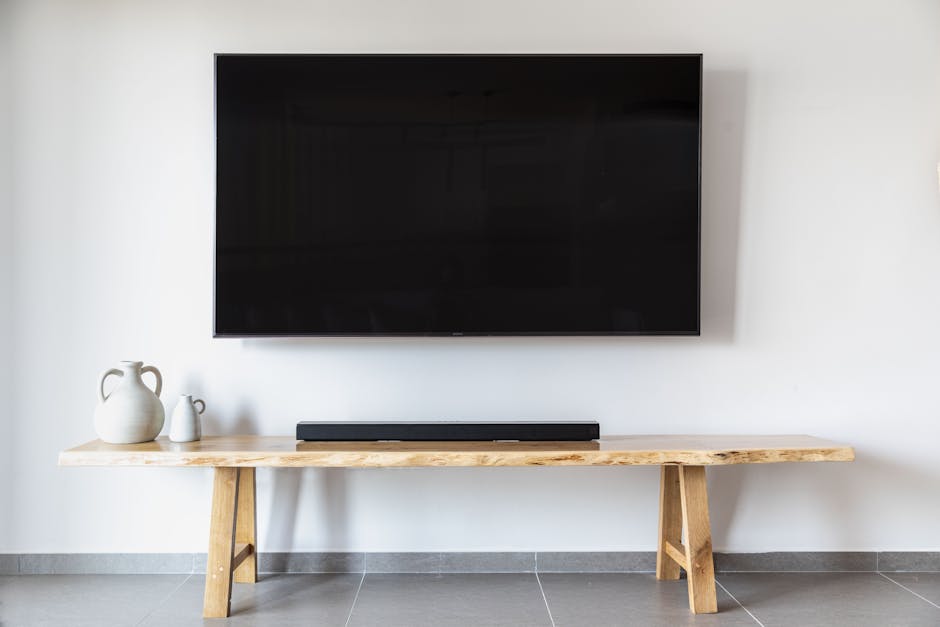
Let’s start simple. Hometv isn’t just the physical television. That’s the centerpiece, sure. But it’s the whole experience. It’s how you get your content — be it cable, satellite, or a dozen streaming apps. It’s the audio that comes out of it (way more important than most people think). It’s how you control it all, and even where and how you place the screen in your room.
A 2022 survey by the Consumer Tech Association found that roughly 7 in 10 households now use at least three different ways to watch TV in a given week. That’s a lot of switching. Hometv, then, is the art and science of bringing all those pieces together into something that feels seamless. Not a chore.
The Heart of the System: Your Display
This is where everyone starts. And look, the tech specs can get overwhelming fast. 4K, 8K, QLED, OLED, refresh rates… it’s a alphabet soup. Let’s simplify.
Resolution: How Sharp Is It?
For most people, in most living rooms, 4K Ultra HD is the sweet spot. The jump from old 1080p to 4K is noticeable — details are crisper, especially on screens 55 inches and larger. But 8K? I’d argue that’s overkill for 99% of us. There’s barely any native 8K content, and you’d need a screen the size of your wall to even tell the difference from a normal viewing distance. Save your money.
Panel Technology: LCD vs. OLED
This is the big debate. LCD TVs (which include QLED) use a backlight. They get very bright, which is great for sunny rooms. But they can struggle with perfect blacks — dark scenes might look a bit grayish.
OLED screens are different. Each pixel makes its own light. That means when a pixel is off, it’s truly, perfectly black. The contrast is stunning. The catch? They’re usually more expensive and don’t get as eye-searingly bright. For a dedicated movie room, OLED is incredible. For a bright family room with lots of daytime viewing, a good QLED might be the more practical pick. Your mileage may vary.
The best TV is the one you’ll actually enjoy watching. Not the one with the most impressive spec sheet.
The Sound Situation (This Gets Overlooked)
Here’s my slightly opinionated take: spending a thousand dollars on a gorgeous 4K TV and then using its built-in speakers is like buying a sports car and putting cheap, bald tires on it. You’re missing half the experience. TV speakers are thin, weak, and point the wrong direction — straight at your wall.
A decent soundbar is the single biggest upgrade you can make. We’re not talking a complex surround sound system with wires everywhere (unless you want that!). A simple 2.1 or 3.1 channel soundbar with a wireless subwoofer will transform your viewing. Dialogue becomes clear. Music has punch. Explosions feel, well, explosive.
Think about it. A 2023 report from a major retailer’s internal data suggested that less than 30% of new TV buyers also bought a sound solution. That’s a ton of people settling for mediocre audio. Don’t be one of them.

The Brains: Streaming Devices & Smart Platforms
Every TV is “smart” now. But not all smart platforms are created equal. They can be slow, cluttered with ads, and just frustrating to use. Ever wondered why your fancy new TV feels sluggish a year later?
That’s where external streaming devices come in. They’re small boxes or sticks that plug into your TV’s HDMI port. The big advantage? They get updated more frequently and have more consistent performance. When the built-in Netflix app on your TV starts to stutter, the one on a dedicated streaming stick usually just works.
Here’s a quick comparison of the main considerations:
| Consideration | Built-in TV OS | External Streamer |
|---|---|---|
| Speed & Updates | Often slows over time; updates can stop. | Typically faster, with longer support. |
| Interface | Varies wildly by brand; can be ad-heavy. | You can choose your preferred ecosystem. |
| Simplification | One less remote/device. | Adds another device, but often works better. |
Point being, if your TV’s menu makes you sigh, a $50 external device might be your best purchase.
Setting It All Up: The Nitty-Gritty
Okay, you’ve got the gear. Now what? Placement and setup matter way more than you’d think.
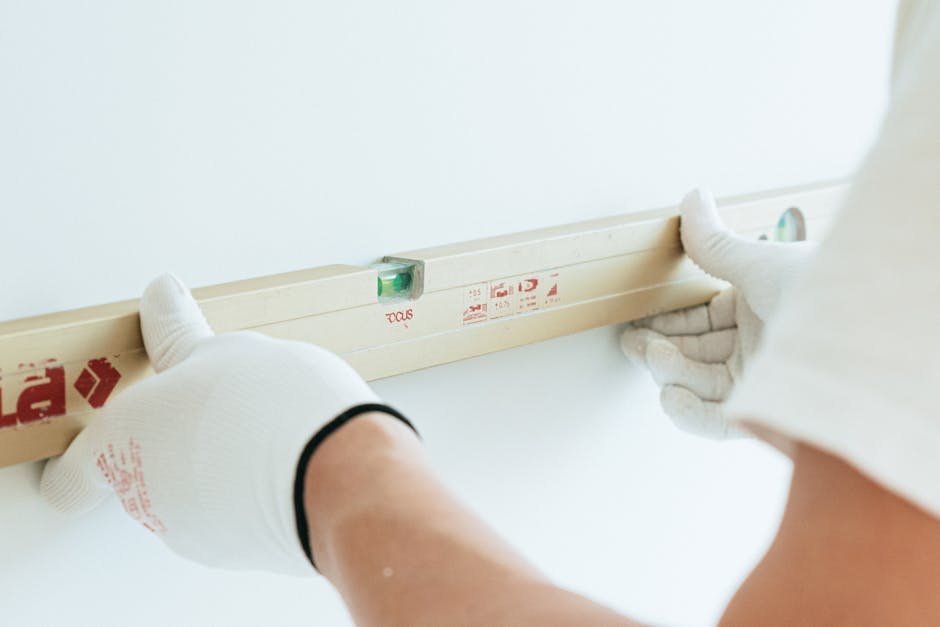
Viewing Height is rule number one. The center of your screen should be at or slightly below your eye level when you’re seated. Mounting a TV above a fireplace? It’s a popular choice, but not always a great one for your neck. Sometimes you have to compromise, though.
Cable Management is what separates a clean look from a messy one. A pack of zip ties and a cheap cable channel from the hardware store can work wonders. For a truly clean wall-mount, you might consider in-wall power and cable kits — just check your local building codes first.
And about those picture settings. Out of the box, most TVs are set to “Vivid” or “Dynamic” mode. It’s garish. It’s meant to stand out on a showroom floor. The first thing you should do is switch to Movie, Filmmaker Mode, or Calibrated mode. The colors will look more natural immediately. It’s the easiest free upgrade there is.
- Unbox and assemble your stand or mount.
- Get help lifting it! TVs are big and awkward.
- Connect your devices (streamer, game console) before mounting.
- Position the TV at the right height and secure it.
- Manage cables, then turn it on and change those picture settings.
Common Pitfalls & How to Avoid Them
Let’s talk about mistakes. I’ve seen them all.
- Ignoring Room Lighting: A giant window right across from your TV? That’s a glare nightmare. Consider blackout curtains or an anti-glare screen filter.
- Buying the Wrong Size: A good rule of thumb: your viewing distance in inches divided by 1.5 gives you a rough ideal screen size in inches. So, if you sit 9 feet away (108 inches), a 72-inch TV (108 / 1.5) would be immersive. But that’s aggressive. Something in the 65-75 inch range would be great.
- Forgetting the HDMI Version: If you want to use the latest gaming consoles or high-end streaming features, you need HDMI ports that support it (like HDMI 2.1). Check your TV’s specs.
Real talk: you don’t need to future-proof for a decade. Tech moves too fast. Aim for a setup that works brilliantly for you right now, for the next 4-5 years. That’s a win.
Perfect is the enemy of good. A 90% solution you enjoy today is better than a 100% solution that’s too complicated to ever finish.
Frequently Asked Questions
How long should a modern TV last?
Most quality TVs are built to last 5-7 years of daily use before you might start noticing a decline in brightness or, less commonly, a component failure. The tech usually feels outdated before the screen actually dies.
Is a soundbar really necessary?
Not *necessary*, but it’s the single most impactful upgrade for your viewing pleasure. Try your TV’s speakers first. If dialogue sounds muffled or movie scores lack any depth, a basic soundbar will fix that immediately.
What’s the one thing I should splurge on?
Picture quality first, then sound. Don’t buy a huge, cheap TV with a terrible picture. It’s better to get a slightly smaller, higher-quality screen. And pair it with at least a modest soundbar.
Can I mount a TV by myself?
You can, but I don’t recommend it for anything over 55 inches. They’re heavy, awkward, and you need to hit wall studs perfectly. A second pair of hands is cheap insurance for your expensive new TV and your drywall.
Are curved screens or 3D TVs still a thing?
Thankfully, no. Those were largely marketing gimmicks that didn’t add much to the home viewing experience. The industry has (mostly) moved on to improvements people actually want, like better brightness and contrast.